
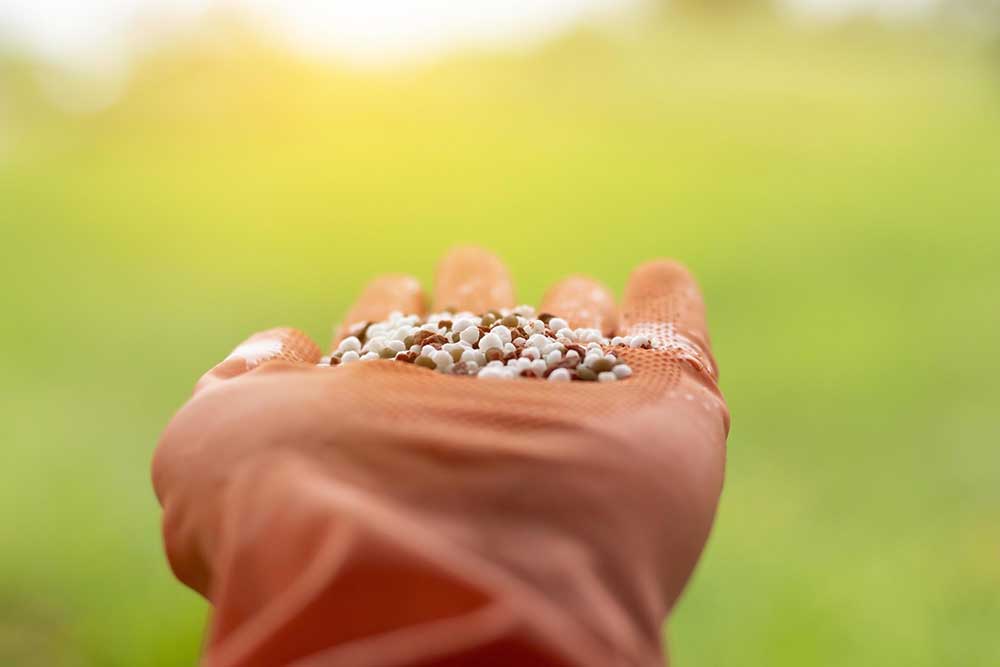
Fertilizers are a cornerstone of modern agriculture, playing a vital role in enhancing crop yields, improving soil health, and ensuring food security. The use of fertilizers has transformed agricultural practices, enabling farmers to produce more food on the same amount of land, which is critical as the global population continues to grow. However, the impact of fertilizers on agriculture is complex, involving both benefits and challenges.
Increased Crop Yields and Food Security
One of the most significant impacts of fertilizers on modern agriculture is their ability to increase crop yields. Fertilizers provide essential nutrients that plants need to grow, such as nitrogen, phosphorus, and potassium. These nutrients are often depleted in soils after repeated cropping, and without replenishment, crop yields would decline over time. By adding fertilizers, farmers can maintain or even increase their production levels, which is crucial for meeting the growing demand for food worldwide.
This increase in crop yields has a direct impact on food security, particularly in regions where agricultural productivity is low. Fertilizers enable farmers to produce more food, helping to reduce hunger and malnutrition. In many developing countries, the adoption of fertilizers has been a key factor in improving agricultural productivity and supporting economic development.
Environmental Concerns and Sustainable Practices
While fertilizers have undoubtedly contributed to the success of modern agriculture, their use also raises environmental concerns. The overuse or improper application of fertilizers can lead to soil degradation, water pollution, and the emission of greenhouse gases. For example, excess nitrogen from fertilizers can leach into groundwater or run off into rivers and lakes, causing eutrophication and harming aquatic ecosystems.
To address these challenges, there is a growing emphasis on sustainable agricultural practices that minimize the environmental impact of fertilizers. Precision agriculture, for example, uses technology to optimize the application of fertilizers, ensuring that crops receive the right amount of nutrients at the right time. This approach not only reduces waste but also helps to protect the environment by preventing over-fertilization.
Additionally, the development of organic and slow-release fertilizers offers alternatives that are less harmful to the environment. These fertilizers release nutrients more gradually, reducing the risk of nutrient runoff and improving soil health over the long term.
Conclusion
Fertilizers have had a profound impact on modern agriculture, enabling farmers to increase crop yields and improve food security. However, their use also presents environmental challenges that must be managed through sustainable practices. As the global demand for food continues to rise, finding ways to balance the benefits of fertilizers with the need for environmental protection will be crucial for the future of agriculture.
No comment