
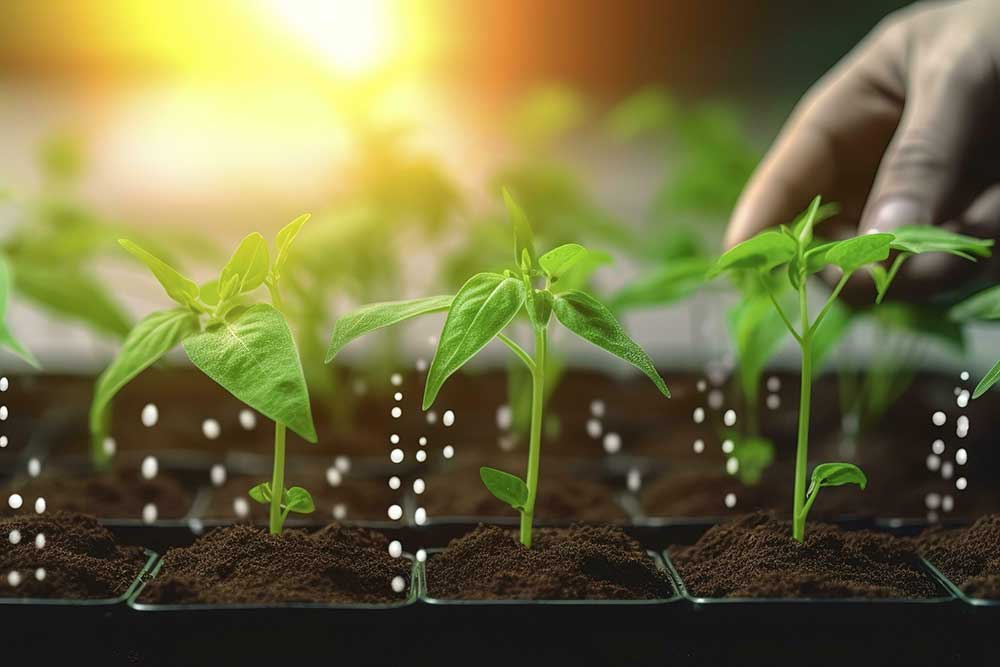
Fertilizers, although primarily associated with agriculture, play a significant role in the production costs of factories involved in the manufacturing and distribution of these vital agricultural inputs. The cost of producing fertilizers is influenced by various factors, including raw materials, energy consumption, and logistics, all of which contribute to the final price of the product. Understanding how these elements affect the production costs of fertilizers is crucial for companies in this industry.
Raw Materials and Energy Costs
The primary raw materials used in fertilizer production include nitrogen, phosphorus, and potassium. The prices of these raw materials can fluctuate significantly based on global market conditions, availability, and geopolitical factors. For example, natural gas, which is a critical component in the production of nitrogen-based fertilizers, can see price spikes due to supply chain disruptions or changes in energy policy. These fluctuations directly impact the cost of producing fertilizers, as manufacturers must either absorb these costs or pass them on to consumers.
Energy consumption is another major factor influencing the cost of fertilizer production. The production process for many fertilizers is energy-intensive, particularly for those that require high heat or pressure. Rising energy costs, whether due to increased demand, supply constraints, or regulatory changes, can lead to higher production costs. Factories must then decide whether to increase prices or find ways to improve energy efficiency to maintain profitability.
Logistics and Transportation
Logistics and transportation are also significant contributors to the overall production costs of fertilizers. Given that fertilizers are often produced in bulk and need to be transported over long distances to reach agricultural regions, transportation costs can be substantial. Factors such as fuel prices, transportation infrastructure, and supply chain efficiency all play a role in determining these costs.
Additionally, storage costs must be considered. Fertilizers often need to be stored in specific conditions to maintain their quality, which can require specialized facilities and further increase production costs. The need for warehousing and distribution networks adds another layer of expense that must be accounted for in the final price of the product.
Conclusion
The production costs of fertilizers are influenced by a variety of factors, including raw material prices, energy consumption, and logistics. These costs ultimately determine the price at which fertilizers are sold, impacting both manufacturers and the broader agricultural sector. For factories producing fertilizers, managing these costs effectively is essential for maintaining competitiveness and profitability in a market that is sensitive to price changes.