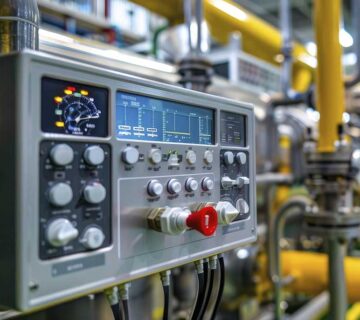
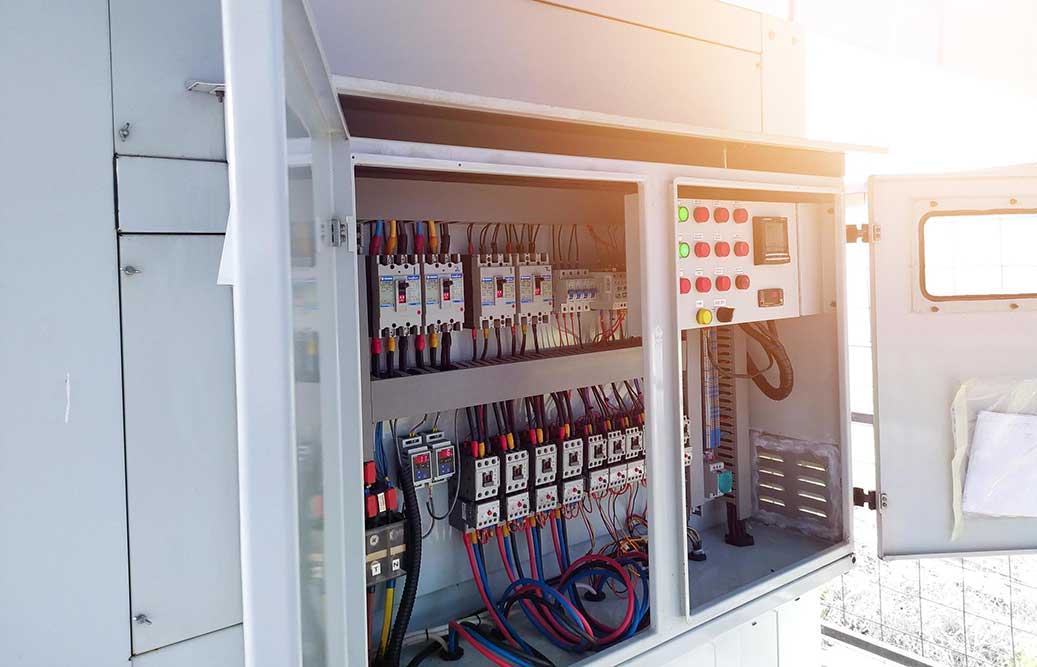
Electrical machinery and equipment not only impact industrial efficiency but also play a significant role in shaping government budgets and broader economic growth. The advancements and deployment of electrical machinery influence public sector spending, economic productivity, and financial stability on a macroeconomic scale.
Government Cost Reduction
Governments invest heavily in infrastructure and public services that rely on electrical machinery and equipment, such as public transportation systems, energy grids, and municipal facilities. The adoption of energy-efficient and advanced electrical technologies can lead to substantial cost reductions for governments. For example, upgrading to energy-efficient lighting and HVAC systems in public buildings reduces utility costs and operational expenses over time.
Additionally, the use of smart grid technology improves the efficiency of electricity distribution, reducing transmission losses and optimizing energy use. These improvements lead to cost savings for public utilities and lower energy bills for consumers. By investing in modern electrical infrastructure, governments can achieve long-term financial benefits and better manage public resources.
Stimulating Economic Growth
The electrical machinery sector also plays a crucial role in stimulating economic growth. The development and manufacturing of advanced electrical equipment contribute to job creation and industrial output. As industries invest in new technologies, they drive demand for components and services, creating economic opportunities across the supply chain.
Moreover, advancements in electrical machinery enhance the competitiveness of various sectors, including manufacturing, construction, and energy. Improved efficiency and productivity in these industries lead to increased output and economic expansion. The broader adoption of innovative electrical technologies fosters a positive business environment, encourages investment, and drives economic development.
Supporting Technological Innovation
The growth of the electrical machinery sector supports technological innovation, which has cascading effects on the economy. Breakthroughs in electrical technology, such as renewable energy systems and advanced automation, drive progress in other industries and create new market opportunities. For example, the rise of electric vehicles and renewable energy technologies contributes to sustainable development and opens new avenues for growth.
In summary, electrical machinery and equipment have a profound influence on government cost reduction and economic growth. By enhancing efficiency, reducing public sector expenses, and driving industrial innovation, these technologies contribute to financial stability and economic advancement. The strategic deployment of advanced electrical equipment supports both government objectives and broader economic goals, fostering a more sustainable and prosperous future.