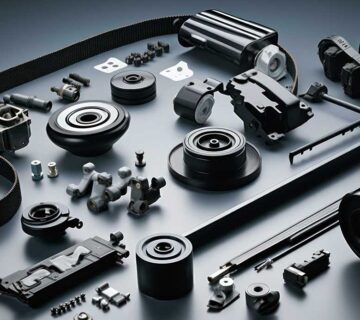
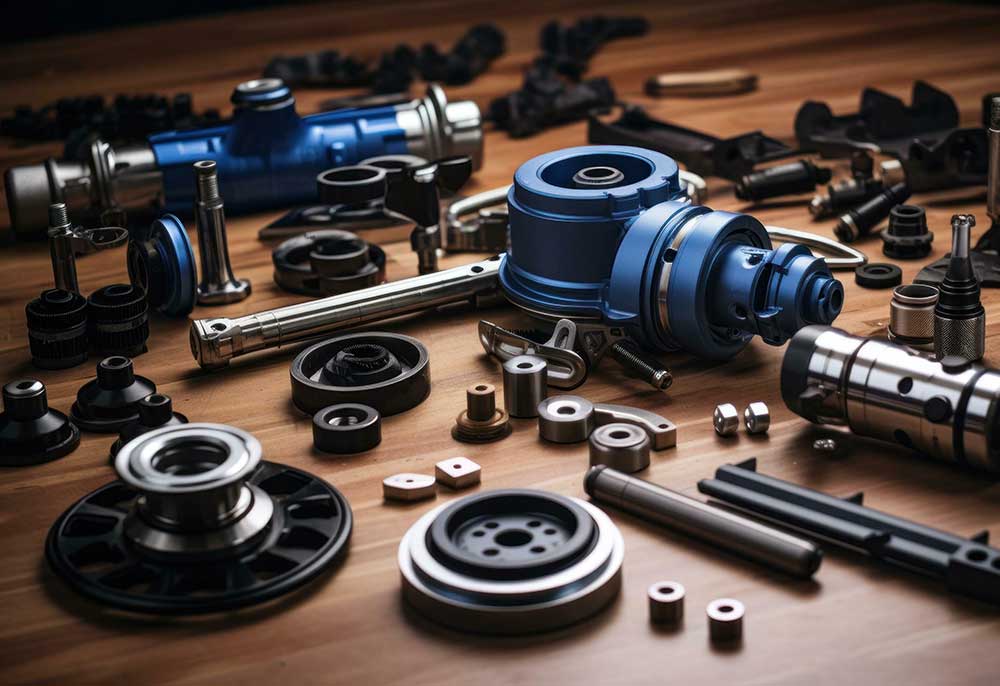
Spare parts are an essential component of any manufacturing operation, significantly influencing the overall production costs of a factory. Whether it’s maintaining existing machinery or ensuring minimal downtime, the availability and cost of spare parts can have a profound effect on a factory’s operational efficiency and financial health.
Maintenance and Downtime Costs
One of the most direct ways spare parts impact production costs is through maintenance. Regular maintenance of machinery is necessary to prevent unexpected breakdowns and ensure smooth operations. Having a reliable inventory of spare parts on hand allows factories to quickly address any mechanical issues that arise, minimizing downtime. Downtime, or the period when production is halted due to equipment failure, can be extremely costly. Every minute that machinery is offline represents lost production, which directly impacts the factory’s profitability. The cost of spare parts, therefore, is not just an expense but an investment in maintaining operational continuity.
However, the cost of acquiring spare parts can be substantial, particularly for specialized or high-quality components. Factories must balance the expense of keeping a well-stocked inventory against the risk and cost of potential downtime. Additionally, the logistics of storing and managing spare parts inventory, such as warehousing and inventory tracking systems, contribute to the overall production costs.
Quality and Compatibility
The quality of spare parts also plays a crucial role in production costs. Using low-quality or incompatible parts can lead to frequent machinery breakdowns, reduced efficiency, and even damage to other components. This not only increases maintenance costs but can also shorten the lifespan of expensive machinery. On the other hand, investing in high-quality spare parts that are specifically designed for the machinery in use can enhance performance, reduce the frequency of repairs, and extend the life of the equipment, ultimately lowering long-term production costs.
Moreover, the choice between OEM (Original Equipment Manufacturer) parts and aftermarket parts can affect both the initial cost and the overall operational efficiency. OEM parts, while generally more expensive, are guaranteed to meet the original specifications of the machinery, ensuring compatibility and reliability. Aftermarket parts may be cheaper, but they often carry a higher risk of compatibility issues or lower durability, which could lead to higher costs in the long run.
Conclusion
Spare parts are a critical factor in determining the production costs of a factory. By ensuring machinery is well-maintained and minimizing downtime, a well-managed spare parts inventory can help control costs and maintain operational efficiency. However, the quality and cost of these parts must be carefully managed to avoid unnecessary expenses and maximize the lifespan of the factory’s machinery. Balancing these factors is key to optimizing production costs and ensuring the long-term profitability of manufacturing operations.