
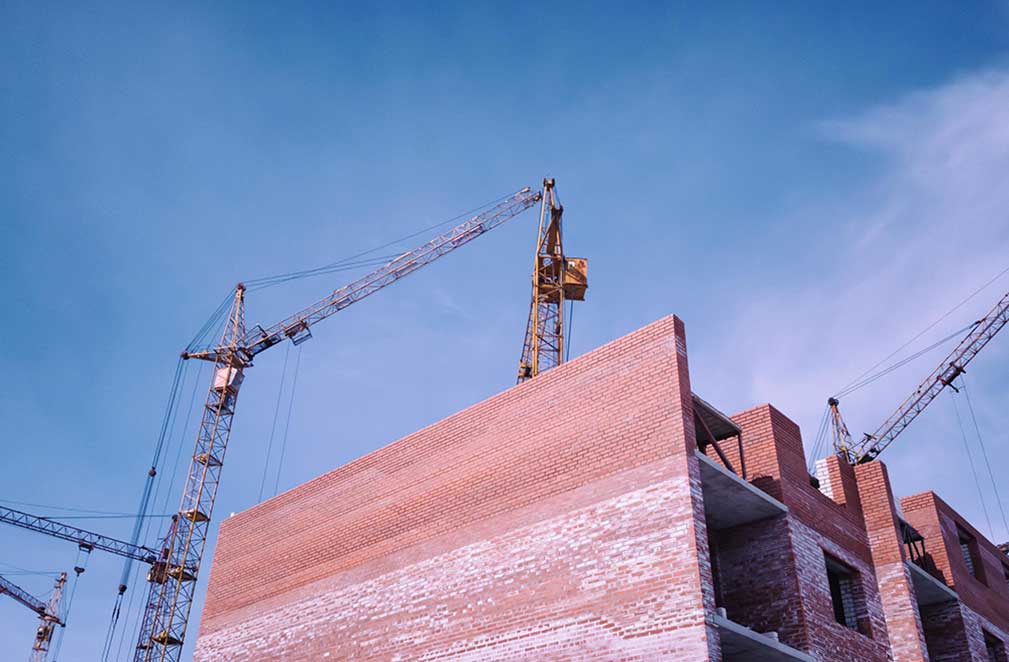
Construction materials are a fundamental factor influencing the overall costs of building projects. From residential homes to commercial skyscrapers, the choice and quality of materials used directly affect the total expenses incurred during construction. Understanding how construction materials impact building costs is essential for developers, contractors, and project managers to optimize budgets and ensure project success.
Material Costs and Quality
The cost of construction materials can vary widely based on quality, availability, and market demand. High-quality materials, such as premium-grade steel, high-strength concrete, or energy-efficient insulation, often come with higher price tags but provide enhanced durability, better performance, and longer lifespans. These materials contribute to a higher initial investment but can lead to cost savings over time due to reduced maintenance and repair needs.
Conversely, opting for lower-quality materials can reduce upfront costs but may result in higher long-term expenses due to increased maintenance, frequent repairs, or premature replacement. For example, using lower-grade concrete may lead to structural issues over time, necessitating costly repairs or reinforcements. Balancing the initial costs with long-term value is crucial for making informed decisions about construction materials.
Supply Chain and Transportation Costs
The availability and transportation of construction materials also impact building costs. Materials sourced from distant locations or requiring specialized handling can incur significant transportation expenses. For instance, importing exotic stone or high-grade timber can add considerable costs to a project due to shipping, handling, and potential import tariffs.
Additionally, supply chain disruptions, such as those caused by natural disasters, geopolitical events, or economic fluctuations, can lead to shortages and price increases for essential materials. Builders must account for these factors in their budgeting and project planning to avoid unexpected cost overruns.
Environmental and Sustainability Factors
The environmental impact of construction materials has become increasingly important in recent years. Sustainable building practices and the use of eco-friendly materials can affect both the cost and marketability of a project. Green building materials, such as recycled steel, low-VOC paints, and energy-efficient windows, may have higher upfront costs but offer long-term benefits, including lower energy bills and improved environmental performance.
Incorporating sustainable materials can also enhance a project’s appeal to environmentally conscious buyers and tenants, potentially increasing its market value. Furthermore, many regions offer incentives or certifications for sustainable building practices, which can offset some of the initial costs and provide long-term financial benefits.
Conclusion
The impact of construction materials on building costs is multifaceted, involving factors such as material quality, supply chain dynamics, and environmental considerations. By carefully selecting materials and managing associated costs, developers and contractors can optimize budgets, enhance project value, and contribute to more sustainable building practices. Understanding these impacts is essential for achieving cost-effective and successful construction projects.