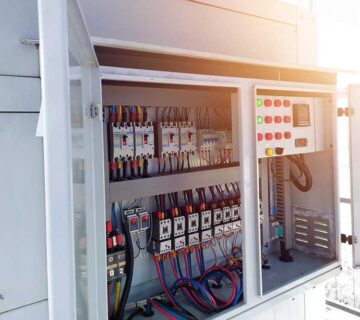
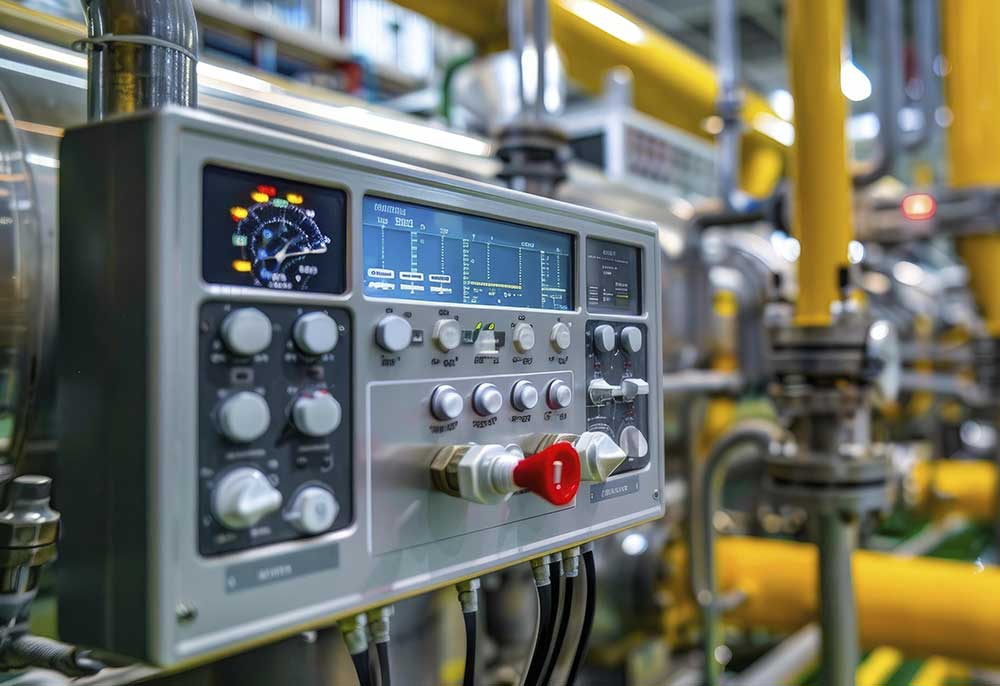
Electrical machinery and equipment are integral to modern industrial operations, impacting efficiency, productivity, and overall performance across various sectors. The advancements in electrical machinery, including motors, generators, transformers, and control systems, have revolutionized how industries operate, leading to significant improvements in efficiency and cost-effectiveness.
Enhancing Industrial Efficiency
Electrical machinery and equipment play a crucial role in enhancing industrial efficiency by optimizing energy use, reducing downtime, and improving operational precision. Advanced electrical systems, such as variable frequency drives (VFDs) and automated control systems, enable industries to fine-tune machinery performance, leading to better energy management and reduced operational costs. For instance, VFDs adjust the speed of electric motors according to load requirements, resulting in significant energy savings and extended equipment lifespan.
Moreover, innovations in electrical equipment, such as smart sensors and predictive maintenance technologies, help monitor machinery performance in real time. These technologies enable early detection of potential issues, allowing for proactive maintenance and minimizing unplanned downtime. By reducing equipment failures and optimizing maintenance schedules, industries can avoid costly disruptions and maintain continuous production.
Impact on Cost Reduction
The integration of advanced electrical machinery contributes to cost reduction by improving energy efficiency and reducing operational expenses. Energy-efficient equipment, such as high-efficiency motors and transformers, consumes less power, resulting in lower utility bills. Over time, these savings can accumulate and offset the initial investment in advanced machinery.
Additionally, the use of automated and intelligent systems reduces the need for manual intervention, lowering labor costs and minimizing human error. Automation in industrial processes leads to more consistent quality, reduced waste, and increased production rates. The combination of these factors contributes to overall cost savings and enhances the competitiveness of industries in the global market.
Environmental Considerations
The adoption of energy-efficient electrical machinery also has positive environmental implications. By reducing energy consumption, industries decrease their carbon footprint and contribute to sustainability goals. Many governments and organizations are increasingly focusing on energy efficiency and environmental impact, leading to regulatory incentives and support for industries that adopt green technologies.
In summary, electrical machinery and equipment significantly impact industrial efficiency by optimizing energy use, reducing downtime, and lowering operational costs. The advancements in this field drive cost savings and contribute to sustainability, making industries more competitive and environmentally responsible.