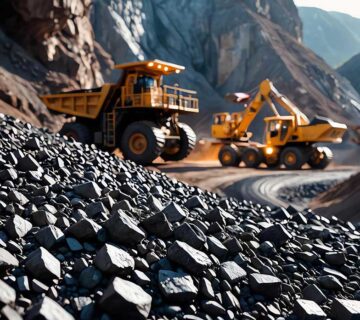
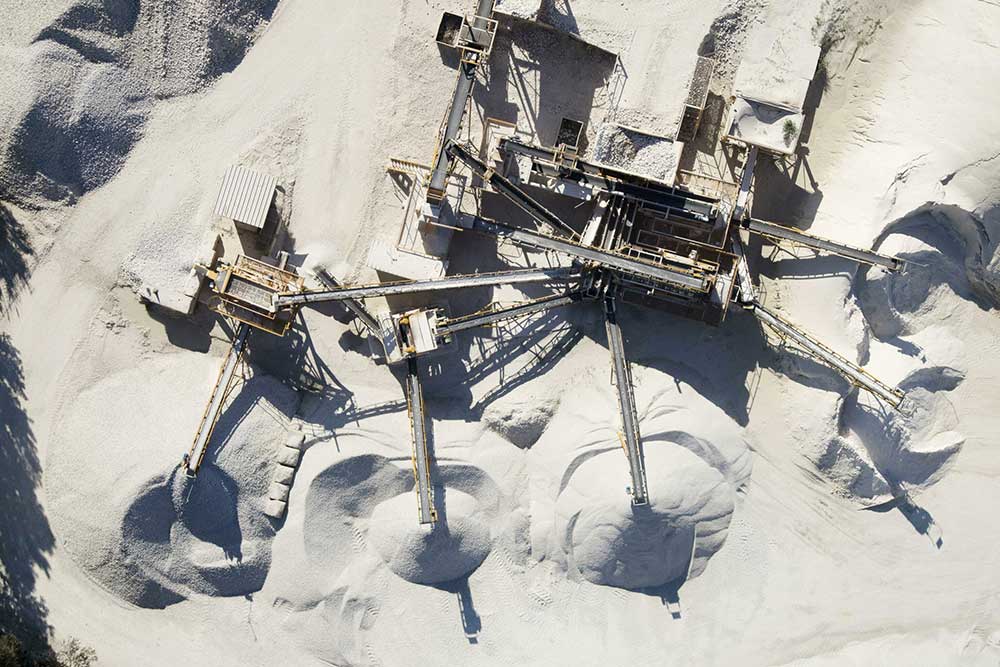
Mineral products and the equipment used to process them play a significant role in determining the overall production costs of factories, particularly in industries such as construction, manufacturing, and mining. The costs associated with extracting, processing, and utilizing mineral products, along with the capital investment and maintenance of equipment, are critical factors that influence the price of the final product.
Raw Material Costs and Availability
Mineral products, such as metals, ores, and aggregates, serve as the foundation for various industrial processes. The cost of these raw materials is one of the primary factors affecting factory production costs. Prices for minerals can fluctuate due to factors like global demand, supply chain disruptions, geopolitical issues, and the availability of natural resources. For example, a surge in demand for metals such as copper or aluminum can lead to price increases, directly impacting the cost of manufacturing products that rely on these materials.
Moreover, the availability of these raw materials also plays a crucial role. If a factory is located far from mineral deposits, transportation costs can significantly increase the overall expense of obtaining these materials. Conversely, factories located near abundant mineral resources can benefit from lower raw material costs, enhancing their competitiveness in the market.
Equipment Costs and Maintenance
The equipment used to extract, process, and transport mineral products is another significant factor contributing to production costs. The initial capital investment required to purchase specialized machinery, such as crushers, grinders, conveyors, and loaders, can be substantial. These machines are essential for efficient mineral processing but come with high upfront costs.
Additionally, ongoing maintenance of this equipment is crucial to ensure its long-term performance and reliability. Regular maintenance helps prevent breakdowns, which could lead to costly downtime and production delays. However, maintenance itself incurs costs, including spare parts, labor, and potential operational disruptions during repairs. Factories must strike a balance between investing in high-quality equipment that may have higher initial costs but lower long-term maintenance expenses and opting for more affordable machinery that could result in higher maintenance and replacement costs over time.
Energy Consumption and Environmental Costs
The energy required to operate mineral processing equipment is another critical factor influencing production costs. Energy-intensive processes, such as crushing, grinding, and smelting, contribute to higher operational expenses. Rising energy prices can further increase these costs, affecting the overall profitability of factories dependent on mineral products and equipment.
Moreover, the environmental impact of mineral extraction and processing can lead to additional costs. Compliance with environmental regulations, waste management, and pollution control measures are necessary to mitigate the negative effects of mineral processing on the environment. These compliance costs must be factored into the total production expenses, potentially increasing the price of the final product.
Conclusion
The production costs associated with mineral products and equipment are influenced by various factors, including raw material prices, equipment investment, maintenance, energy consumption, and environmental compliance. Factories that rely on these resources must carefully manage these costs to maintain profitability and remain competitive. Understanding the complex interplay between these factors is essential for optimizing production efficiency and minimizing expenses in industries that depend heavily on mineral products and equipment.